
Industrial Decarbonization 2026: The New Playbook for Operational Impact
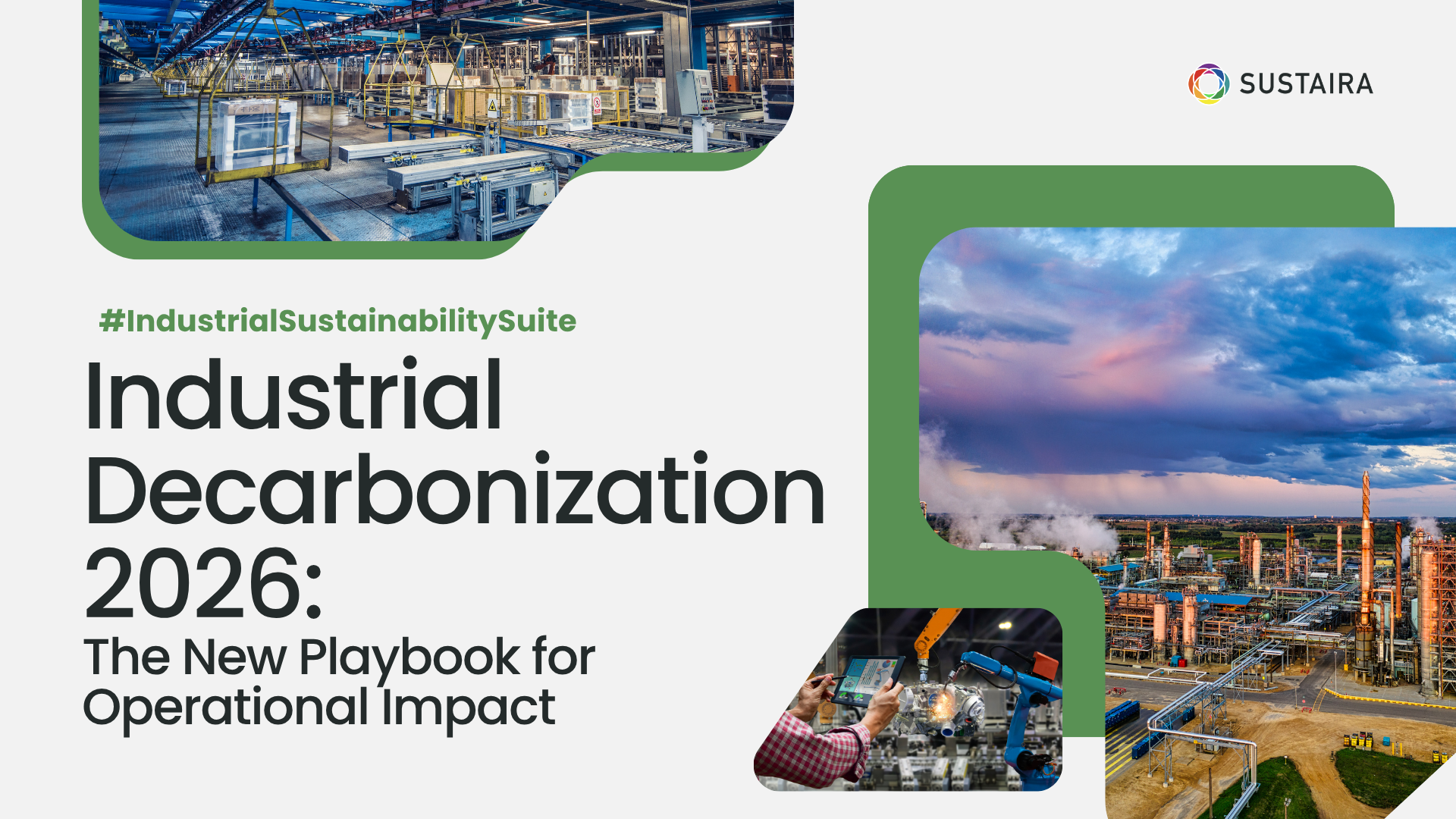
For decades, industrial performance was defined by output, quality, and cost. Today, a fourth dimension is becoming critical: carbon intensity.
Decarbonization is no longer a parallel initiative. It is increasingly embedded in how organizations protect margins, manage risk, and remain competitive in global markets.
Yet many manufacturers face a persistent challenge: translating high-level commitments into actionable decisions on the shop floor. Despite being data-rich, they often lack the clarity needed to evaluate the impact of a specific process change, energy shift, or equipment investment. This is where the gap lies not in ambition, but in execution.
At the same time, energy volatility, evolving regulation, and increasing pressure across value chains are reshaping the operating environment. Decarbonization is no longer only about compliance or reporting. It is becoming a lever for operational resilience, cost control, and long-term value creation.
Leading industrial organizations are moving beyond measurement to embed carbon directly into operational decision-making.
1. Predictive Operational Steering
Carbon accounting is now a baseline capability, not a differentiator. Reporting remains essential, but it is inherently backward-looking. By the time emissions are disclosed, the decisions that drove them have already been made.
Leading organizations are shifting toward predictive operational steering.
By integrating scenario modeling into production planning, they can evaluate the impact of different decisions before execution. This includes comparing initiatives such as process optimization, electrification, or heat recovery based on both emissions reduction and financial return.
Solutions like the Sustaira Sustainability Planner enable teams to perform marginal abatement analysis and assess trade-offs between cost, carbon, and operational constraints. This allows plant-level decision-makers to align production planning with both financial and sustainability targets in real time.
2. Activating the Value Chain with High-Quality Data
For many industrial players, the majority of emissions sit within the value chain. However, progress is often slowed by limited data visibility and unclear incentives across suppliers.
Leading organizations are addressing this by moving away from generic estimates and toward primary, decision-grade data.
With structured supplier engagement, companies can collect, validate, and benchmark emissions data across their network. Sustaira’s Supplier Engagement capabilities support this process through automated data collection, benchmarking, and performance tracking.
This approach creates transparency and enables more informed procurement decisions. It also helps identify where low-carbon alternatives are viable today and where innovation or supplier development is still required.
3. Embedding Accountability Across the Organization
Decarbonization cannot be managed as a standalone function. The operational levers sit across procurement, engineering, and plant operations.
Leading organizations are adopting a model where a central sustainability team acts as a center of expertise, while execution is distributed across the business.
Procurement integrates carbon performance into supplier selection and negotiations
Engineering incorporates lifecycle considerations into design and process improvements
Operations teams manage energy efficiency and production optimization on the ground
This shift turns carbon into a shared operational KPI, aligned with cost, performance, and risk.
4. Scaling with Automated, Audit-Ready Data
As regulatory requirements expand, the volume and complexity of sustainability data continue to grow. Manual processes are no longer sufficient to ensure accuracy, consistency, and audit readiness.
A more effective approach is to automate data collection and validation at the source.
By connecting directly to ERP systems, energy data, and IoT infrastructure, organizations can build a consistent and traceable data foundation. Sustaira’s modular, AI-powered architecture supports this by harmonizing data across systems and reducing manual effort.
This not only strengthens compliance but also frees up internal teams to focus on higher-value activities such as optimization and innovation.
Closing the Execution Gap
The organizations that will lead in the next decade are those that treat carbon as an operational variable, alongside cost and efficiency.
The priority is no longer setting targets, but enabling decisions.
Closing the gap between strategy and execution between what is reported and what is done on the shop floor is essential to remain competitive in an increasingly constrained and volatile environment.
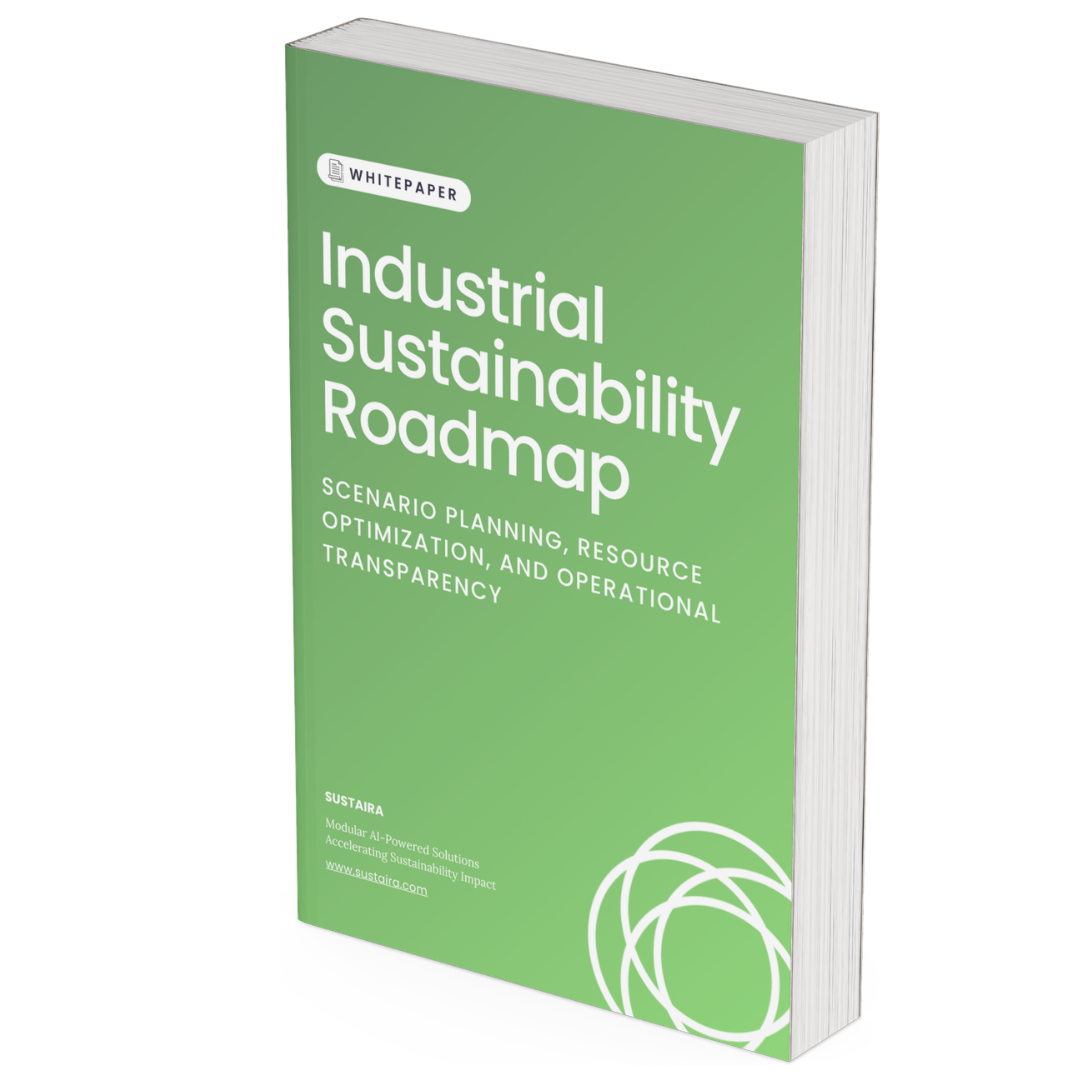
Download the Guide
This whitepaper provides a practical roadmap for industrial leaders looking to move from fragmented sustainability reporting to data-driven operational excellence. It explains why traditional, retrospective approaches are no longer sufficient, and highlights key challenges such as limited supply chain visibility, rising regulatory complexity, and the inability to translate targets into actionable insights.
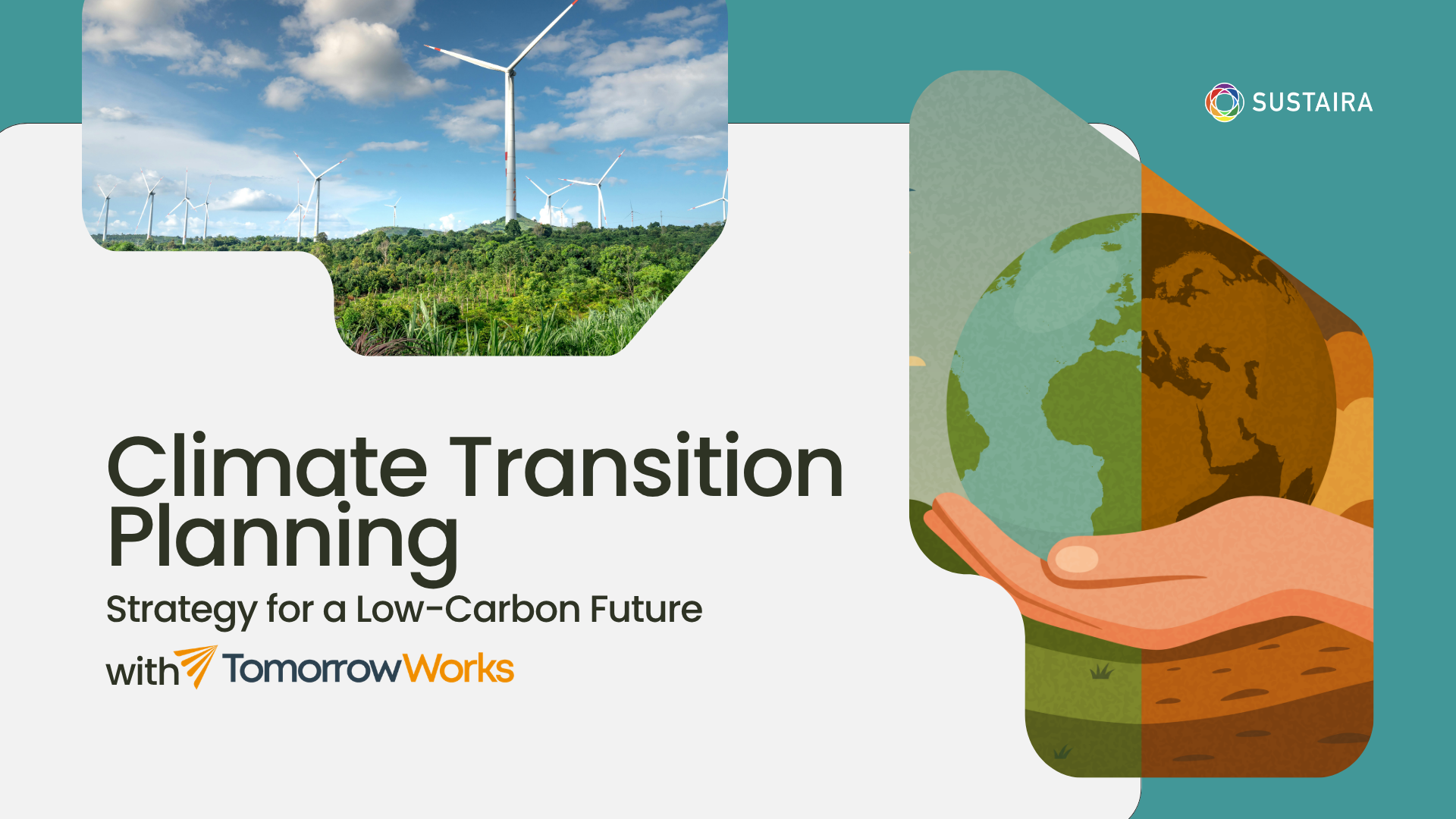
Deep Dive: Climate Transition Planning Webinar
For a more detailed look at the strategies discussed in this article, you can watch our full webinar: "Climate Transition Planning: Strategy for a Low-Carbon Future." In this session,we discuss the seven reasons transition plans often fail and provide a step-by-step roadmap for moving from voluntary ambition to regulated execution.
