
Why Most CEOs Are Wrong About The Climate Readiness Gap
For many CEOs, climate readiness is viewed through the lens of a regulatory project. They see it as a hurdle to clear, a box to check for annual reports, or a specialized task for a small, isolated sustainability team. This perspective is not only limited, it’s dangerous.
The Climate Readiness Gap is the distance between an organization’s public sustainability ambitions and its actual operational ability to deliver on them. While leadership often believes their organization is prepared because they have a sustainability head or a published ESG report, the reality under the surface is often a fragmented landscape of manual processes, siloed data, and rigid legacy systems.
To bridge this gap, CEOs must move beyond passive compliance and recognize climate readiness as a core driver of business value and operational efficiency.
The Three Myths of Executive Climate Readiness
Most leaders fall into one of three common traps when assessing their organization's climate readiness:
1. The "Spreadsheet Safety" Myth
Many CEOs assume that because their team is tracking the numbers, the data is reliable. In reality, much of today’s sustainability reporting still happens in Excel. This creates a massive hidden risk. Manual workflows are inherently error-prone, non-auditable, and difficult to scale under rigorous new standards like CSRD or SEC disclosures. A spreadsheet is not a strategy; it is a liability.
2. The "Resource Mirage" Myth
Executives often believe that sustainability is a headcount problem. They think, "We’ve hired a Chief Sustainability Officer, so we’re ready". However, sustainability teams are typically small and under-resourced relative to the complexity of global operations. Without the right digital infrastructure to automate data collection and reporting, these specialized leaders spend 80% of their time chasing data instead of driving high-value decarbonization strategy.
3. The "Legacy System" Trap
There is a prevailing belief that existing ERP or financial systems can simply absorb sustainability data. These legacy platforms were never built for the granular, dynamic nature of carbon accounting or supply chain transparency. Relying on them creates blind spots that lead to disconnected decision-making and missed opportunities for cost optimization.
Turning Sustainability Reporting into Operational Change
To close the readiness gap, organizations must transition from passive reporting to active operational sustainability. This requires a paradigm shift in how technology is utilized.
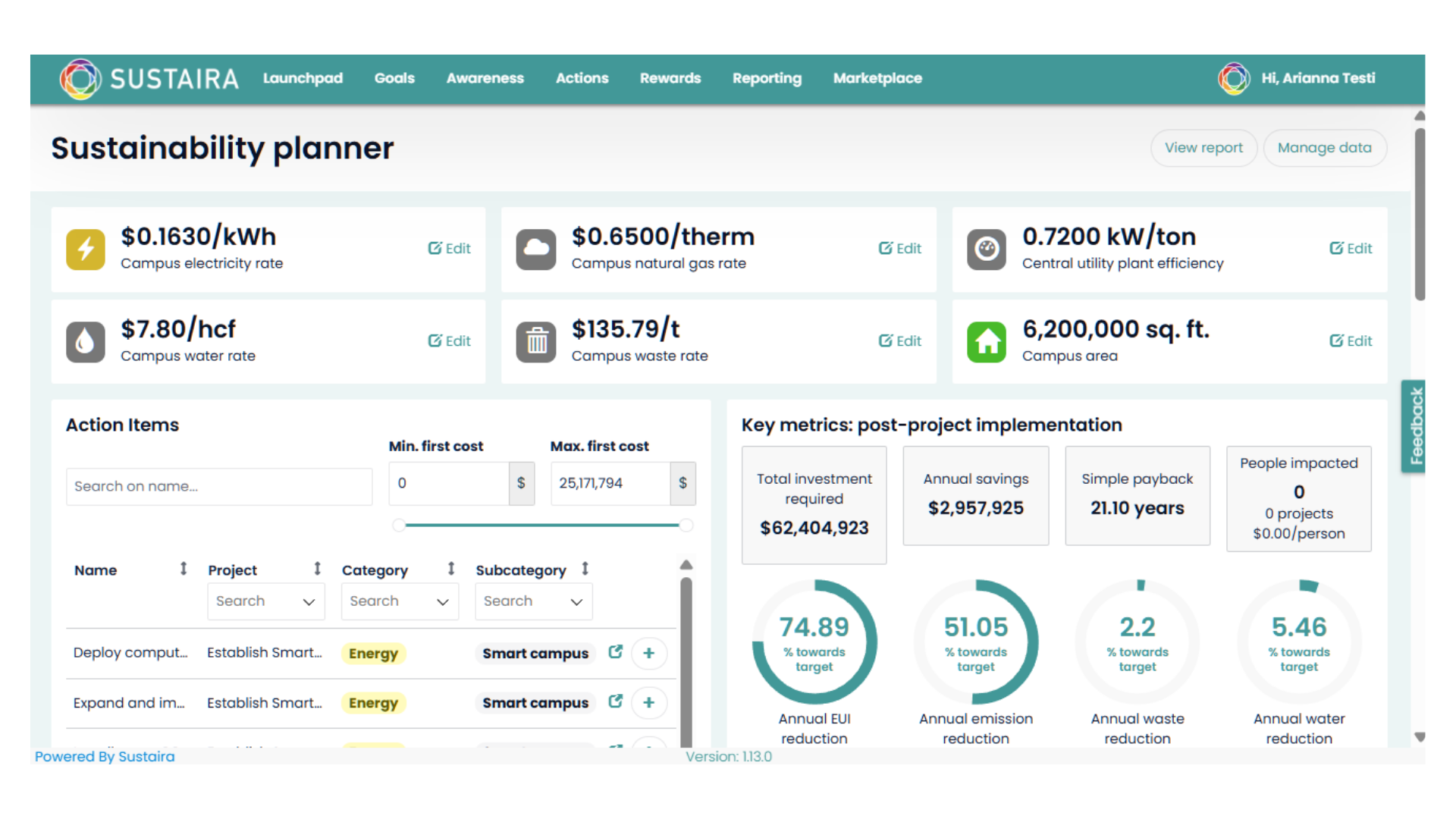
Unify the Data Silos: Climate readiness starts with a single source of truth. Data often lives across disconnected departments: energy use in facilities, travel in finance, and material waste in operations. A modular, AI-powered platform can sit on top of these disparate systems, aggregating and standardizing data without requiring a rip-and-replace of core IT infrastructure.
Automate for Accuracy and Speed: Sustainability is urgent and dynamic. Waiting for an annual report to understand your carbon footprint is like driving a car by only looking in the rearview mirror. AI-powered solutions, such as document scraping for utility bills and automated emission factor mapping, allow for real-time tracking. This enables faster, data-backed decisions that actually move the needle on decarbonization.
Empower Every Level of the Organization: Climate readiness is not just for the C-suite. It must be embedded in everyday decisions across every level of the organization. By using modular solutions tailored to specific functions, such as supplier engagement portals or project-level KPI trackers, organizations can engage stakeholders and drive accountability where impact actually happens.
The Business Case for Real Readiness
CEOs who successfully close the climate readiness gap realize measurable business benefits that go far beyond compliance:
• Risk Mitigation: Actionable insights identify high-risk carbon assets and prevent non-compliance fees that can range from $200k to over $1M.
• Cost Reduction: Automating data workflows and optimizing resource use can reduce the cost of sustainability outcomes and innovation.
• Stakeholder Trust: Audit-ready data and transparent reporting strengthen credibility with investors, customers, and regulators.
• Strategic Growth: A strong sustainability strategy can reduce the cost of capital by up to 10% and correlate with higher profit growth.
A Call to Action for Visionary Leaders
The climate readiness gap is not a technological problem; it is a leadership challenge. The tools to solve these complexities exist, modular, AI-powered solutions are designed to adapt to your unique maturity level and scale with your strategy.
The question for CEOs is no longer "Are we compliant?" but "Are we operationally equipped to lead?". Closing the gap requires moving beyond the myths and empowering your team with the technology needed to turn ambition into measurable action.
How large is the readiness gap in your organization today?
Join the conversation
This webinar focuses on the gap between commitment and execution.
We will break down what a credible climate transition plan actually looks like, how leading organizations translate targets into operational action, and why so many plans fail to deliver impact. You’ll gain clarity on how to align sustainability with finance and governance, embed accountability across the organization, and turn strategy into something that drives real business outcomes.
If you’re being asked to do more with less, show progress faster, and make sustainability tangible for the business, this session will help you focus on what matters next.
