
The latest from Sustaira.

Germany’s 2025 Coalition Agreement: Key ESG Takeaways
Germany’s new coalition agreement outlines major shifts in energy and climate policy. It reinforces the country’s path toward decarbonization with specific targets, timelines, and investment plans.

Global Shipping Industry Commits to Net-Zero Emissions by 2050 with New IMO Agreement
Countries have reached a historic agreement to cut greenhouse gas emissions from global shipping, aiming for net-zero emissions by 2050. This landmark deal introduces mandatory fuel standards and a carbon pricing mechanism to drive the shipping industry towards cleaner practices.

EU's Tariff Retaliation and ESG Implications
The European Union's recent imposition of tariffs on U.S. goods marks a significant development in the ongoing trade tensions. This article delves into the specifics of the tariffs, their broader implications, and other key ESG updates.

Accelerating Clean Transportation: 2025 Progress and Insights
Global efforts to decarbonize transport are advancing, with corporate commitments and policy support driving momentum. However, critical barriers, including infrastructure gaps and limited vehicle availability, must be addressed to rapidly scale impact.

EU Emissions Trading System: Significant Reductions in Greenhouse Gas Emissions
The EU Emissions Trading System (EU ETS) has successfully reduced emissions in covered sectors by 50% since 2005. This achievement highlights the system's effectiveness in driving decarbonization across Europe.

Major ESG Developments in March 2025
The latest update from Wilson Sonsini's Sustainability and ESG Advisory Practice highlights significant regulatory and reporting developments in the ESG landscape. Key topics include the SEC's decision to end its defense of climate disclosure rules, the EPA's deregulatory actions, and updates to international ESG standards.

ING’s Climate Targets Gain Validation from SBTi
ING’s climate targets have been validated by the Science Based Targets initiative (SBTi), confirming they align with global efforts to limit warming to 1.5°C. The bank’s climate strategy focuses on reducing carbon emissions across its portfolio and financing the transition to a low-carbon economy.

EU Council Approves Corporate Sustainability Reporting Delay
The EU Council has approved a delay in corporate sustainability reporting requirements until 2028. This decision is part of a broader effort to reduce the regulatory burden on businesses while maintaining the EU's commitment to sustainability.

Navigating Sustainability in the Financial Sector: Insights from our Latest Webinar
In a recent webinar, experts from CapGemini and Sustaira came together to discuss the critical drivers and challenges of sustainability and carbon accounting in the financial sector. The session provided valuable insights into how financial institutions can navigate these complexities and accelerate their sustainability journey.
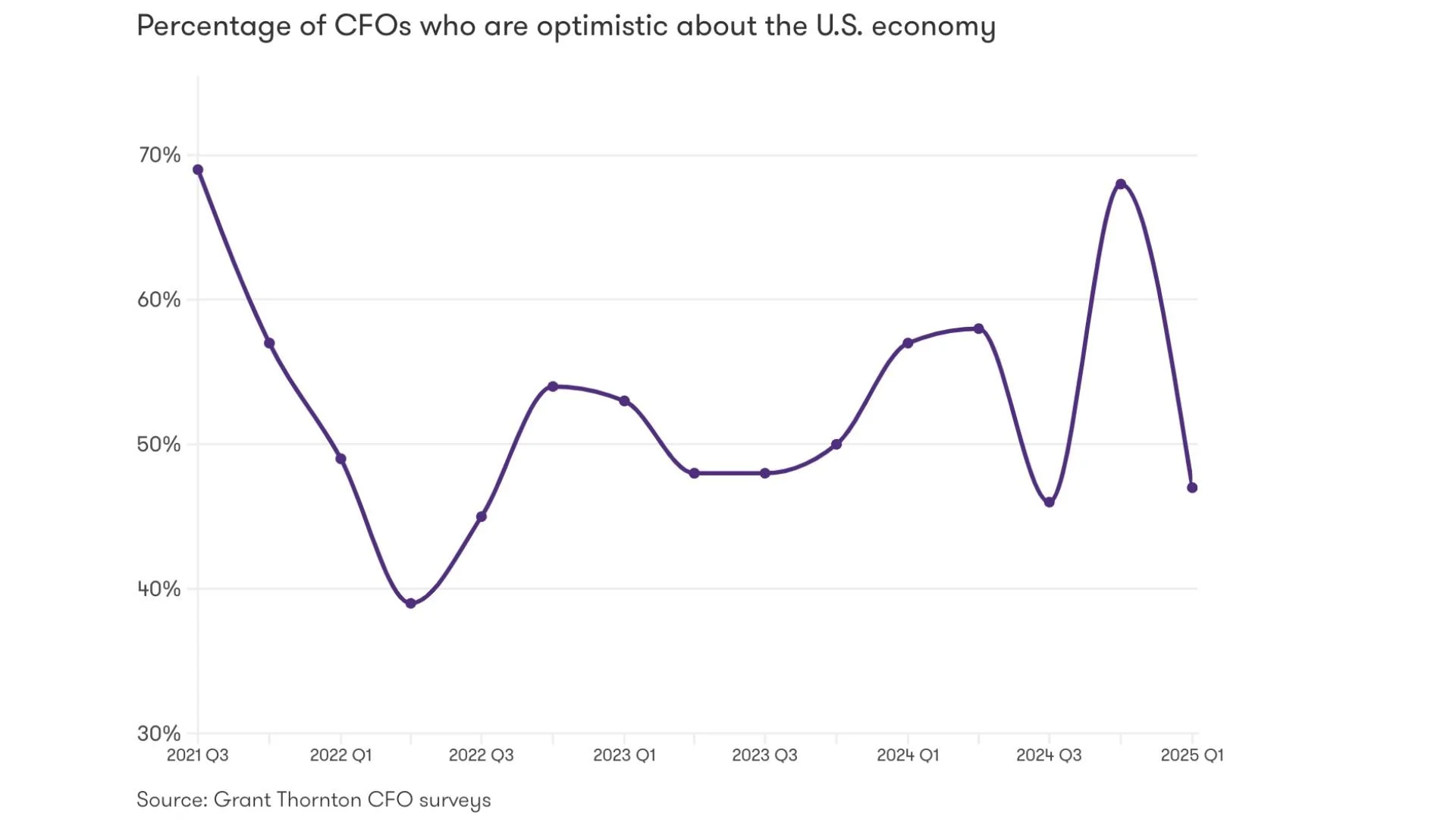
CFOs Increase Strategic Investments in Tech
n 2025, CFOs are investing in technology despite declining economic optimism as displayed through a survey conducted by Grant Thornton. Key areas of focus include digital transformation, customer satisfaction, and data quality.

Simplifying Sustainable Finance for SMEs: Platform on Sustainable Finance Report
Small and Medium-sized Enterprises (SMEs) are key players in Europe’s sustainability transition but face challenges in accessing green finance. A proposed SME Sustainable Finance Standard aims to streamline financing processes, making it easier for SMEs to secure funding for sustainability efforts.

Meet Sustaira: Sustainability Intern Group
Here at Sustaira, we get to know all of our employees very well and we want you to know them too! For every new team member, we ask them the following questions to learn about who they are and why sustainability matters to them. Today, we introduce our Sustainability Intern Group; Ava Nelson, Haley Guerra, and Ava Morisi. Read their interview below and enjoy!

Construction Carbon Accounting
The building sector is a major contributor to global greenhouse gas (GHG) emissions, accounting for approximately one third of global GHG emissions. However, this statistic doesn’t encompass all emissions relating to construction, leaving out those included in the manufacturing and transportation of building materials known as embodied emission. In this article we give you all the information you need to approach construction carbon accounting related to embodied emissions.

Financial Carbon Accounting
The financial sector has invested $4.6 trillion into the fossil fuel industry since the Paris Agreement. However, this figure does not account for the full scope of emissions related to financial activities, particularly those from financed emissions, known as Scope 3 emissions. When these are included, the financial industry's impact on global greenhouse gas (GHG) emissions is significantly higher, highlighting the critical need for comprehensive carbon accounting and reduction strategies.

PwC’s State of Decarbonization Report: The Strategic Path to Net Zero
Decarbonization is not just a necessity for the planet but a strategic opportunity for businesses. This article explores how companies can align their decarbonization efforts with growth, profitability, and stakeholder trust.

Understanding the Net-Zero Standard V2: Key Insights for Businesses
The Science Based Targets initiative (SBTi) has released the consultation draft of its Net-Zero Standard V2, aimed at helping businesses set clear, science-backed targets to reach net-zero emissions. This draft outlines the necessary steps and criteria for companies to follow in reducing their carbon footprint and achieving net-zero by 2050.
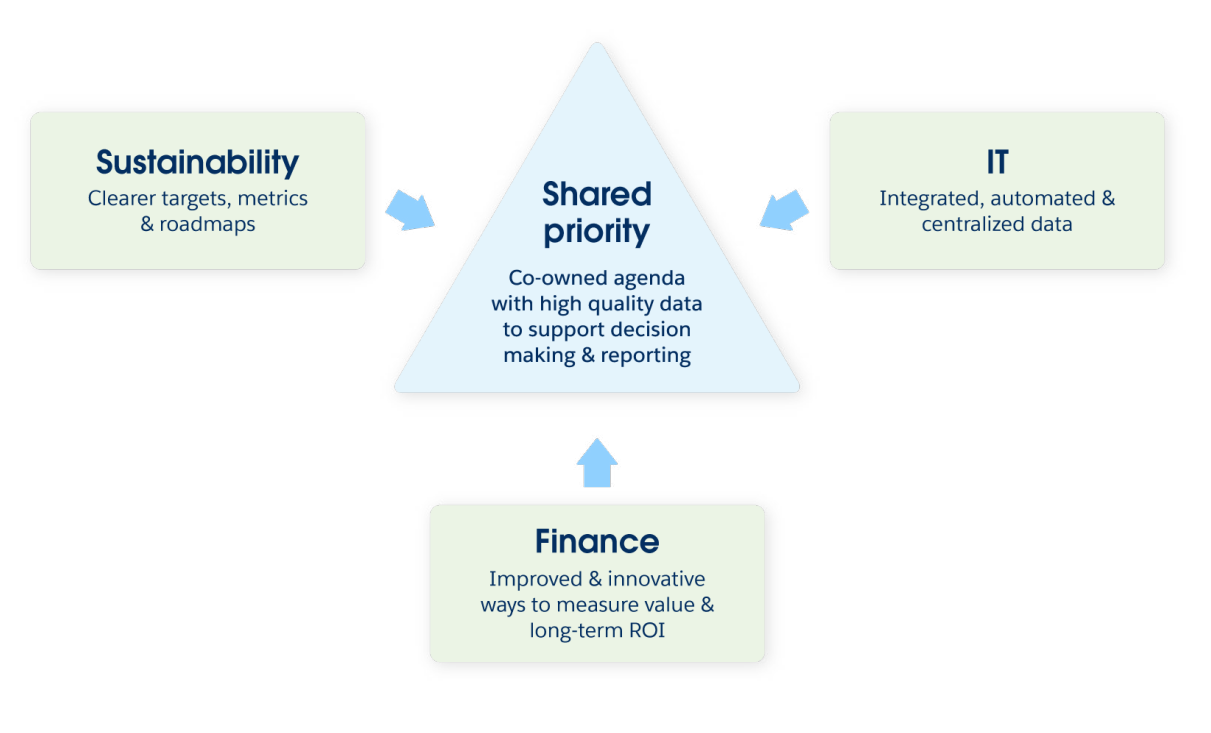
The Sustainability Value Triangle: A Path to Business Success
The "Sustainability Value Triangle" report shows how businesses can unlock value by integrating sustainability with finance and IT. The key to success lies in collaboration, data, and new technologies like AI.

Meet Sustaira: Daria
Here at Sustaira, we get to know all of our employees very well and we want you to know them too! For every new team member, we ask them the following questions to learn about who they are and why sustainability matters to them. Today, we introduce Daria Kuvshinova. Read Daria’s interview and enjoy!

BCG Insights: Investing in Climate Action
Investing in climate action is not just an environmental necessity but also an economic imperative. This article explores why allocating resources to mitigate and adapt to climate change can yield significant economic benefits and prevent substantial losses.

North Sea Collision: Environmental and Industry Impacts of the Tanker Disaster
A recent collision between a U.S.-flagged oil tanker and a Portuguese-flagged cargo ship in the North Sea has raised significant environmental concerns. The incident resulted in a massive fire and fuel spill, highlighting the immediate need to improve current safety measures.